
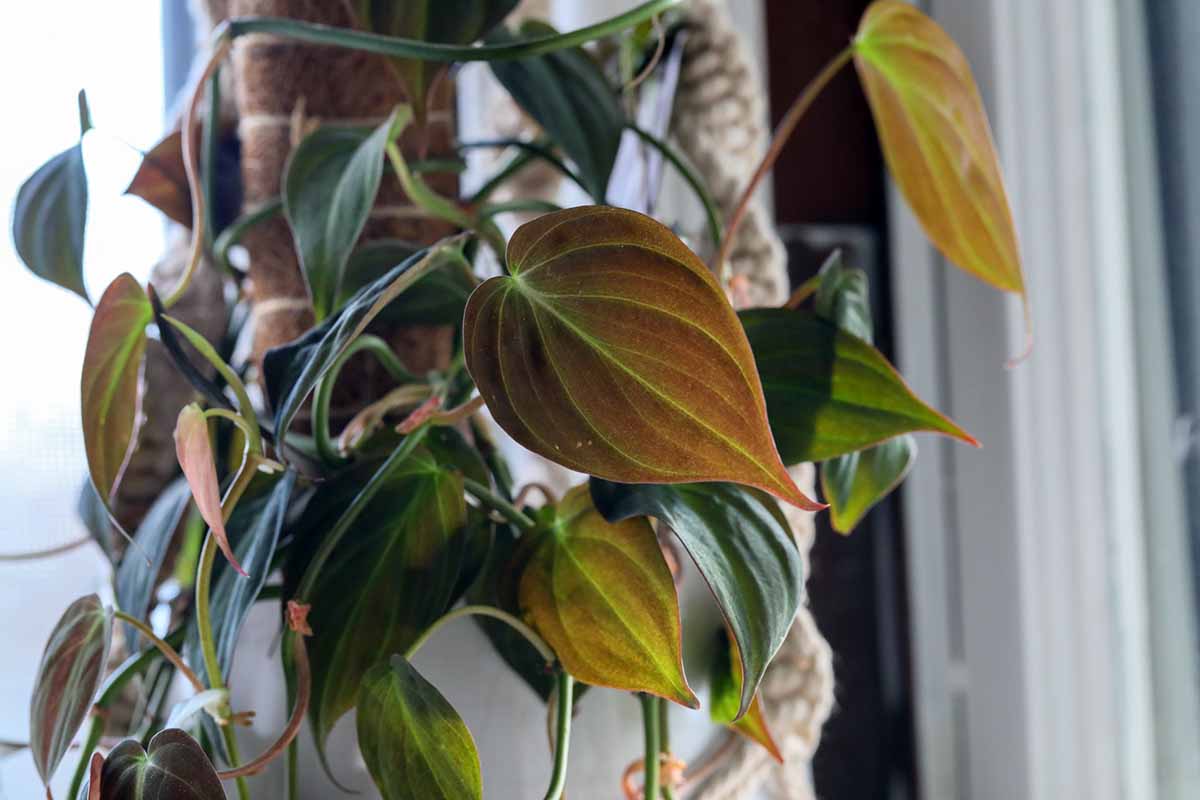
Imagine brushing your fingers against leaves that feel like the smoothest velvet you’ve ever touched. That’s Philodendron micans in a nutshell. Its heart-shaped foliage starts life in warm, glowing shades of coppery-bronze and rusty red, then matures into deep, luxurious emerald green — all while holding onto that dreamy, plush texture that begs to be gently stroked. The way the light dances across those velvety surfaces, creating subtle shifts in color and sheen, makes every new leaf feel like a small celebration.
This charming trailing beauty, originally from the humid rainforests of Central America and the Caribbean, has become one of the most beloved houseplants of recent years. It loves to drape gracefully over the edges of shelves, spill from hanging planters, or climb quietly up a moss pole if given the chance. What truly wins people over, though, is how forgiving it is — thriving in average indoor conditions, happy with moderate light, and needing only the occasional sip of water. Whether you’re just starting your plant journey or adding to a growing collection, micans brings that rare combination of effortless elegance and genuine warmth to any room it graces
This little beauty has heart-shaped leaves covered in the softest, most luxurious velvet texture you can imagine. New leaves start out in warm bronze-copper tones, almost glowing like they’ve been kissed by the sun, then slowly deepen into rich emerald green while keeping that irresistible plush feel.
The first time I brought a mican home, I found myself standing in front of it every morning just watching the tiny new leaves unfurl. There’s something incredibly calming about it—like a quiet little moment of magic in the middle of a busy day.
Where Does This Green Royalty Come From?
Philodendron micans (also known as Philodendron hederaceum var. hederaceum) hails from the lush, steamy rainforests of Mexico, Central America, and the Caribbean. In the wild, it climbs trees using aerial roots, hugging the bark and soaking up moisture from the humid air. That same natural climbing and trailing instinct makes it perfect for indoor life—whether you let it cascade like a waterfall or train it to climb a moss pole.
The Magic Is in the Leaves
What makes micans so special is the texture. While most philodendrons have smooth, glossy leaves, micans feels like soft suede under your fingertips. The leaves catch light most gently—never too shiny, never harsh—just a subtle, dreamy shimmer. The color shift from bronze baby leaves to mature deep green is pure poetry.
Every time a new leaf starts to open, it feels like unwrapping a tiny gift. That slow reveal, the way the velvet gradually appears—it’s one of my favorite things in plant parenting.
How to Keep It Happy (Super Easy Care Tips)
I’ve heard so many people say, “My micans are dying—what am I doing wrong?” Honestly, this plant is way more forgiving than it looks. Just keep these few things in mind, and it will thrive.
Light
Bright, indirect light is its sweet spot. An east-facing window or a spot a few feet away from a south- or west-facing window with sheer curtains works best. Too little light = tiny leaves and long, leggy stems. Too much direct sun = sad, scorched leaves.
Watering
Wait until the top 2–3 inches of soil are dry before watering. The leaves will give you a cute little hint by curling slightly when they’re thirsty. Overwatering is the number one killer, so always check first-better a little dry than soggy!
Soil
A chunky, well-draining mix is key. Regular potting soil + perlite + orchid bark (and maybe a bit of coco coir) is perfect. Good drainage keeps the roots happy and healthy.
Humidity & Temperature
It loves 50–70% humidity. In dry seasons, a pebble tray, grouping plants together, or a quick morning mist helps a lot. Keep it cozy between 18–27°C (65–80°F). No cold drafts or blasting
Fetilizer
In spring and summer, give it a half-strength balanced liquid fertilizer once a month. Skip it in fall and winter when growth slows down.
Trailing or Climbing – Which Style Wins?
Both are stunning, honestly.
Let it trail from a hanging basket, and you’ve got a gorgeous green cascade—perfect for small spaces, shelves, or cozy corners. It looks like a living waterfall.
Give it a moss pole or trellis to climb, though, and the leaves can grow 2–3 times bigger. Suddenly it feels like you’ve brought a piece of the rainforest indoors. The mature climbing form is next-level dramatic.
Propagation – The Fun Part!
Super simple. Snip a stem cutting with 2–3 nodes, remove the lower leaves, and pop it in water or straight into moist soil. Roots usually show up in 2–4 weeks. A touch of rooting hormone speeds things up, but it’s not necessary.
Common Little Problems & Quick Fixes
- Yellow leaves → Too much water (check for root rot)
- Leggy growth → Not enough light—move it brighter
- Curling leaves → Thirsty or low humidity—water and mist
- Tiny spider mites → Wipe leaves with neem oil solution and boost humidity
Important note: Like most philodendrons, it’s mildly toxic if chewed (calcium oxalate crystals). Keep it out of reach of pets and little kids.
Philodendron micans is more than just a houseplant — it’s a soft, velvety companion that brings quiet magic to everyday life. With its heart-shaped leaves shifting from warm bronze to deep emerald, that irresistible plush texture, and its easy-going nature, it forgives small mistakes while rewarding you with fast growth and stunning new unfurlings that brighten even the simplest mornings.
Whether you’re a beginner craving something beautiful and low-maintenance or a longtime plant lover looking for effortless elegance, micans has a special way of fitting right in and stealing hearts. Give it a spot on your shelf or a hanging basket to trail from, and soon you’ll catch yourself smiling at every fresh leaf – proof that sometimes the best things in life really are soft, green, and wonderfully simple